How Often Should You Tune Your Piano? A Complete Guide
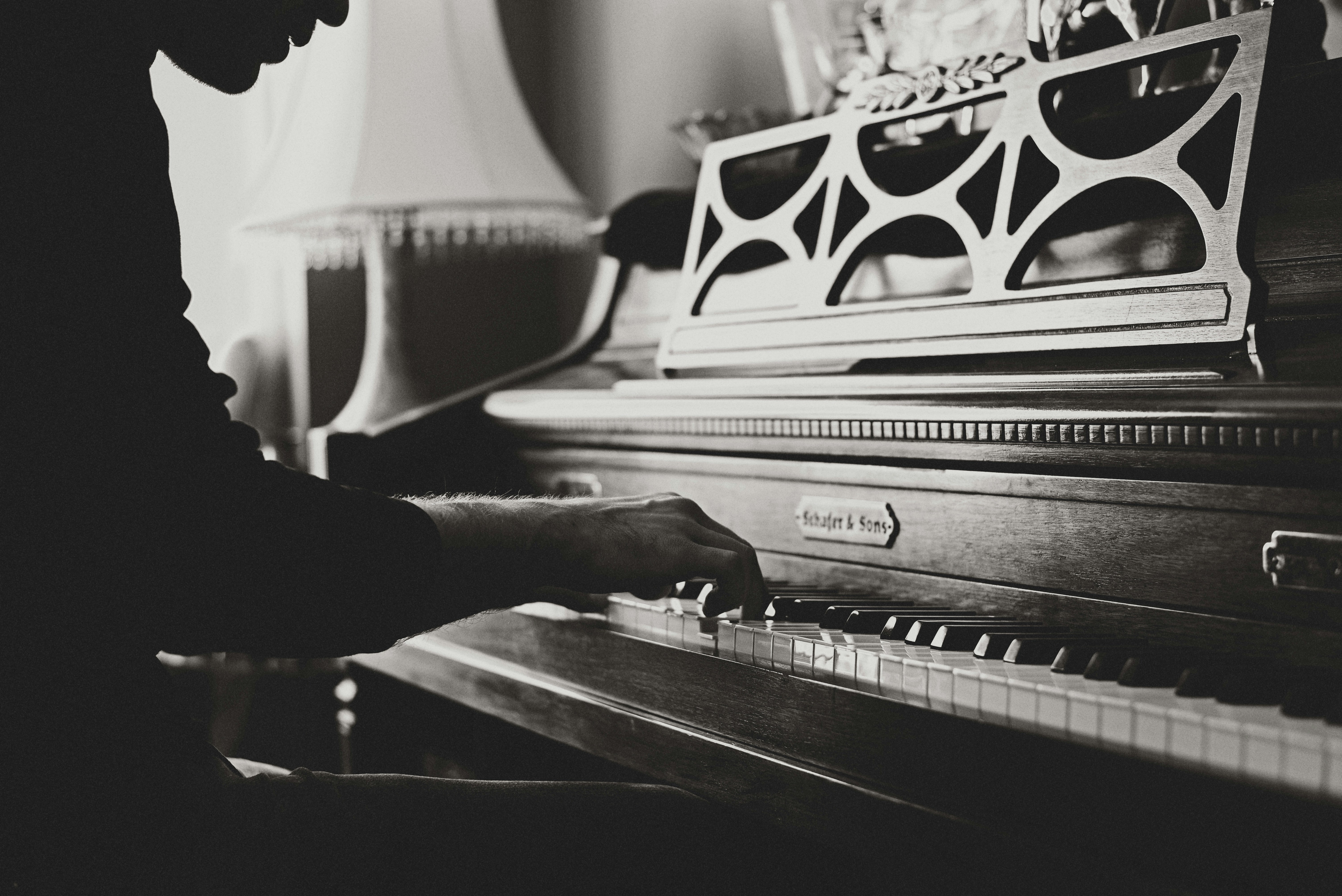
As a piano owner in the San Francisco Bay Area, you might wonder about the optimal tuning schedule for your instrument. The answer isn't one-size-fits-all, but understanding the factors that affect your piano's tuning stability can help you maintain its beautiful sound and protect your investment.
The Standard Recommendation: At Least Once a Year
Most piano manufacturers and professional technicians recommend at least one tuning per year for pianos in stable home environments. This baseline maintenance helps counteract the natural drift that occurs as strings stretch and the soundboard responds to seasonal humidity changes.
Factors That Affect Tuning Frequency
1. Climate and Environment
San Francisco's unique microclimates present specific challenges:
- Coastal areas with higher humidity require more frequent tuning
- Inland areas with greater temperature swings affect tuning stability
- Heating systems during winter can dry out your piano's wooden components
2. Usage Level
- Light use (occasional playing): Once per year
- Regular use (daily practice): Twice per year
- Heavy use (teaching studio, performances): 3-4 times per year
3. Piano Age and Condition
- New pianos need more frequent tuning during the first year as strings settle
- Older pianos may require additional regulation along with tuning
- Recently moved pianos should be tuned after acclimating to their new environment
Seasonal Tuning: The Best Approach for Bay Area Pianos
Given our region's climate patterns, many piano owners find success with a twice-yearly schedule:
- Spring tuning to address winter dryness
- Fall tuning to prepare for holiday playing
This approach helps maintain consistent pitch and prevents the need for more expensive pitch-raising services.
Signs You Need More Frequent Tuning
Listen for these indicators that your piano needs attention:
- Notes sound "wobbly" or dissonant
- Octaves don't sound unified
- The overall sound seems flat compared to other instruments
- You notice sticking keys or other mechanical issues
The Cost of Waiting Too Long
Delaying regular tuning can lead to:
- Pitch lowering requiring expensive pitch raises
- Increased stress on the piano's structure
- More extensive repairs down the line
- Compromised sound quality that affects playing enjoyment
Regular tuning is an investment in your piano's longevity and musical quality. Contact us today to schedule your next tuning appointment and keep your instrument sounding its best.